

Quick answer: only 999 fine silver and 925 sterling silver are real silver alloys of known purity. German silver contains no silver at all; it is copper, nickel and zinc. Silver-plated jewellery is a base metal with a thin silver coating. Oxidised is a blackened finish that can be applied to real silver or to base metal. Panchdhatu is a traditional five-metal alloy whose real composition varies widely. For jewellery you want to keep, resell or have hallmarked, choose 925. For a budget gemstone ring or fashion piece, German silver or panchdhatu are acceptable if the seller names them honestly. GemKrishna sells all of these, labelled for what they are.
The metals side by side
| Name | What it contains | Real silver? | Hallmark? | Resale value | Typical use |
|---|---|---|---|---|---|
| 999 fine silver | 99.9% silver | Yes | Yes | Full, by weight | Coins, bars, some idols |
| 925 sterling silver | 92.5% silver + 7.5% other metal (usually copper) | Yes | Yes | By weight | Rings, chains, payal, pendants, bracelets |
| German silver (nickel silver) | Copper, nickel, zinc | No | No | None | Budget fittings, earrings, Rudraksha stringing, fashion jewellery |
| Silver-plated | Brass, copper or alloy + thin silver coat | Only the coat | No | Practically none | Fashion jewellery, gifts, decor |
| Oxidised | A blackened finish on silver or base metal | Depends on the base | Only if base is silver | Depends on the base | Tribal and antique-look styles |
| Panchdhatu | A five-metal alloy; commercial mixes vary | Usually very little, if any | No | Low | Astrological rings, idols, kadas |
| "92.5 alloy", "silver tone", "Thai silver" | Anything; these are marketing words | Ask | Ask | Ask | Be careful |
925 sterling silver
Pure silver is too soft for jewellery that is worn every day, so it is mixed with 7.5% other metal, usually copper. The result, 925 or sterling silver, is the international standard for silver jewellery. It tarnishes over time (the copper and silver react with sulphur in the air), and it polishes back to bright. It can be BIS hallmarked with a HUID, and it is priced by weight × the day's silver rate + making. Our entire SILVY collection is 925 silver.
German silver: silver colour, no silver
German silver (also called nickel silver or "white metal") is a copper, nickel and zinc alloy. It looks like silver, is hard-wearing and costs very little, which makes it useful for fittings, budget earrings and Rudraksha stringing. Two cautions:
- It has no silver value and cannot be hallmarked as silver.
- It contains nickel, which some people are allergic to. If your skin turns red or itchy under cheap jewellery, choose 925 silver.
At GemKrishna, German silver appears on products such as our cabochon gemstone studs and as a stringing option (₹999) in the Rudraksha Bracelet Builder, always clearly named German silver.
Silver-plated jewellery
A base metal piece electroplated with a thin layer of silver. It looks like silver when new; as the coating wears, the base metal shows through and may tarnish green or yellow. It is fine as fashion jewellery at a fashion price. Do not confuse it with electroformed silver, which is solid silver all the way through, only hollow. See what is electroformed jewellery.
Oxidised: a finish, not a metal
"Oxidised" jewellery has been deliberately darkened with a chemical to give an antique look. Oxidised 925 silver is real silver; oxidised brass or white metal is not. Always ask, "oxidised what?" Real oxidised silver can be re-oxidised or polished bright later.
Panchdhatu: the five-metal alloy
In tradition, panchdhatu (or ashtadhatu, with eight metals) is an alloy used for idols and astrological rings, classically described as including gold, silver, copper, zinc and iron or lead. In today's market the actual mix varies a lot; most commercial panchdhatu is largely copper-based with little or no precious metal. That is not a problem if you buy it for its traditional use and at a fair, low price. It is a problem only if it is sold as if it were silver or gold. Many people choose panchdhatu for astrological gemstone rings when their astrologer recommends it, or when silver is outside the budget. GemKrishna can set your gemstone in panchdhatu, German silver, 925 silver or gold. Just tell us your preference.
How to tell them apart at home
- Look for marks: "925" or "S925" plus a BIS hallmark and HUID mean sterling silver. No mark means ask.
- Verify the HUID in the BIS CARE app. This is the only reliable proof without a lab.
- Scratch test? Don't. Acid and scratch tests damage jewellery. Leave testing to a jeweller or hallmarking centre.
- Magnet: silver is not magnetic, but neither are brass or German silver, so a magnet only rules out iron-based fakes.
- Weight and price: a "silver" chain at a fraction of the silver rate for its weight cannot be silver.
- Wear: plating wears off at edges and shows a yellow or red base metal. Sterling silver tarnishes evenly and polishes back.
Which metal for gemstone and Rudraksha jewellery?
- Astrological rings and pendants (Panna, Pukhraj, Neelam, Moti): astrologers commonly recommend silver or gold, and for some stones, panchdhatu. Follow your astrologer. 925 silver is the popular middle path for value and durability. See 925 silver rings for astrological gemstones and gemstone lockets in 925 silver.
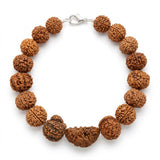
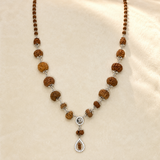
- Rudraksha: thread, German silver or 925 silver capping, by budget. See Rudraksha in 925 silver.
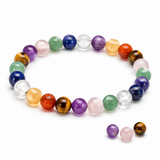
- Crystal bracelets: elastic or GemSnap for most; a 925 silver lock or spacers for a premium finish. See elastic vs GemSnap vs silver.
- Daily-wear jewellery and gifts: 925 silver, so it can be polished, resized and hallmarked.
GemKrishna's labelling promise
We name the metal in our product titles, such as "925 silver", "German silver" or "gold-plated 925 silver". If a title only says "metal", ask us and we will tell you exactly what it is before you buy. Silver weight is stated, hallmarking is available for ₹249, and our authenticity guarantee means that if a product is shown not to be what we stated, you get a full refund, including shipping and making charges.
Frequently asked questions
Is German silver real silver?
No. German silver is an alloy of copper, nickel and zinc with no silver content. It only looks like silver.
What is the difference between 925 and 999 silver?
999 is 99.9% pure and soft, used for coins and bars. 925 is 92.5% silver with 7.5% other metal for strength, used for jewellery.
Is panchdhatu good for gemstone rings?
It is a traditional choice that some astrologers recommend, and it is affordable. Its composition varies, so buy it for its traditional use, not as a precious metal.
Does oxidised jewellery contain silver?
Only if it is oxidised silver. Oxidised is a finish; the base can be 925 silver or a cheap alloy. Ask which.
How do I know silver jewellery is 925?
Look for a 925 mark with a BIS hallmark and HUID, and verify the HUID in the BIS CARE app.


0 comments